
Recruitment for Climate-Resilient Landscapes for Sustainable Livelihoods in Northern Ghana (CRLSNG) Project Management Unit (PMU)
July 2, 2026Rehabilitation Of Moribund Cocoa Farms
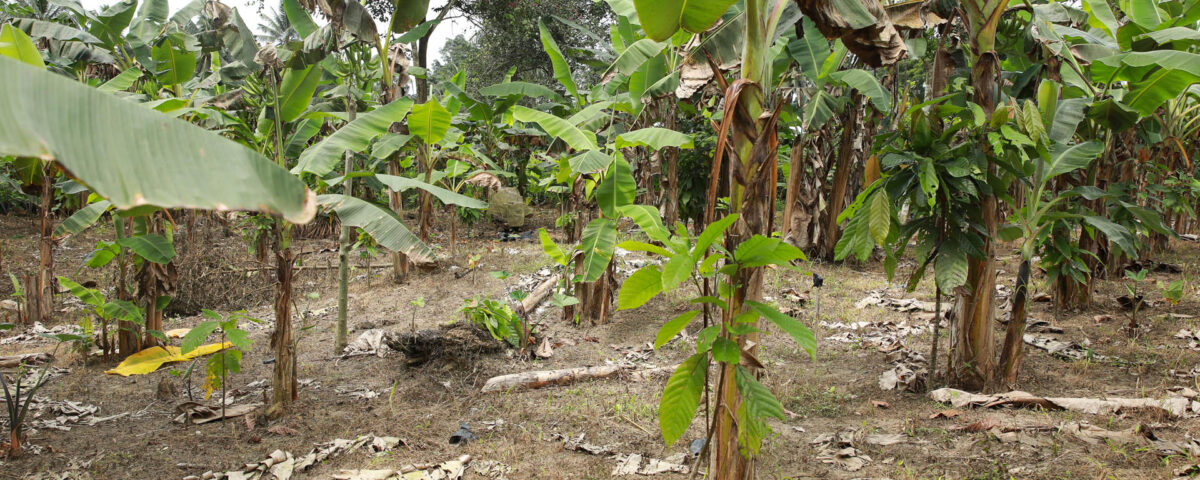
As a key beneficiary agency under the Ghana Landscape Restoration Project (GLRSSMP), the Ghana Cocoa Board (COCOBOD) has successfully implemented a comprehensive rehabilitation programme for rehabilitating moribund cocoa farms. This strategic initiative is breathing new life into overaged cocoa plantations that were previously underproductive.
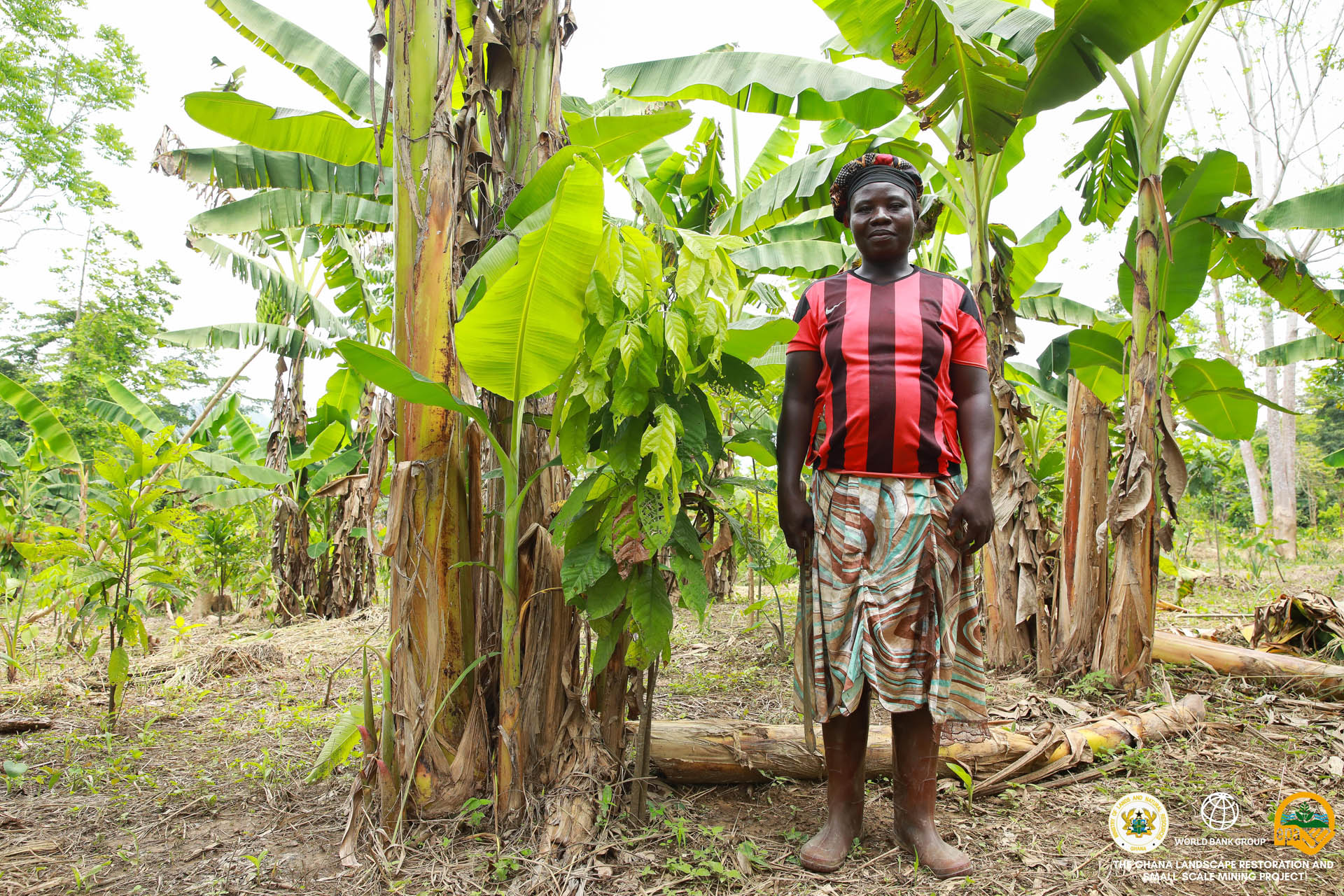
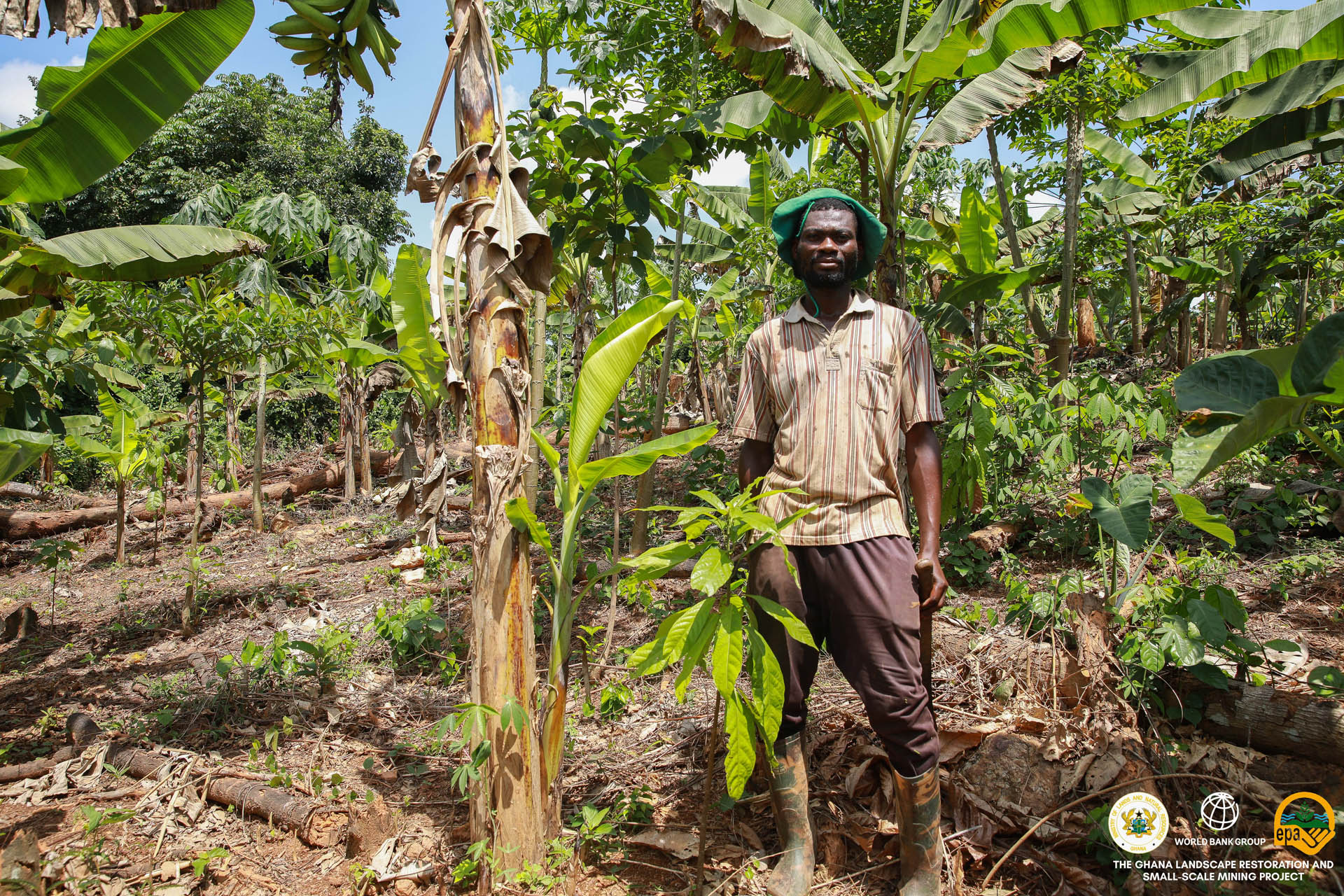
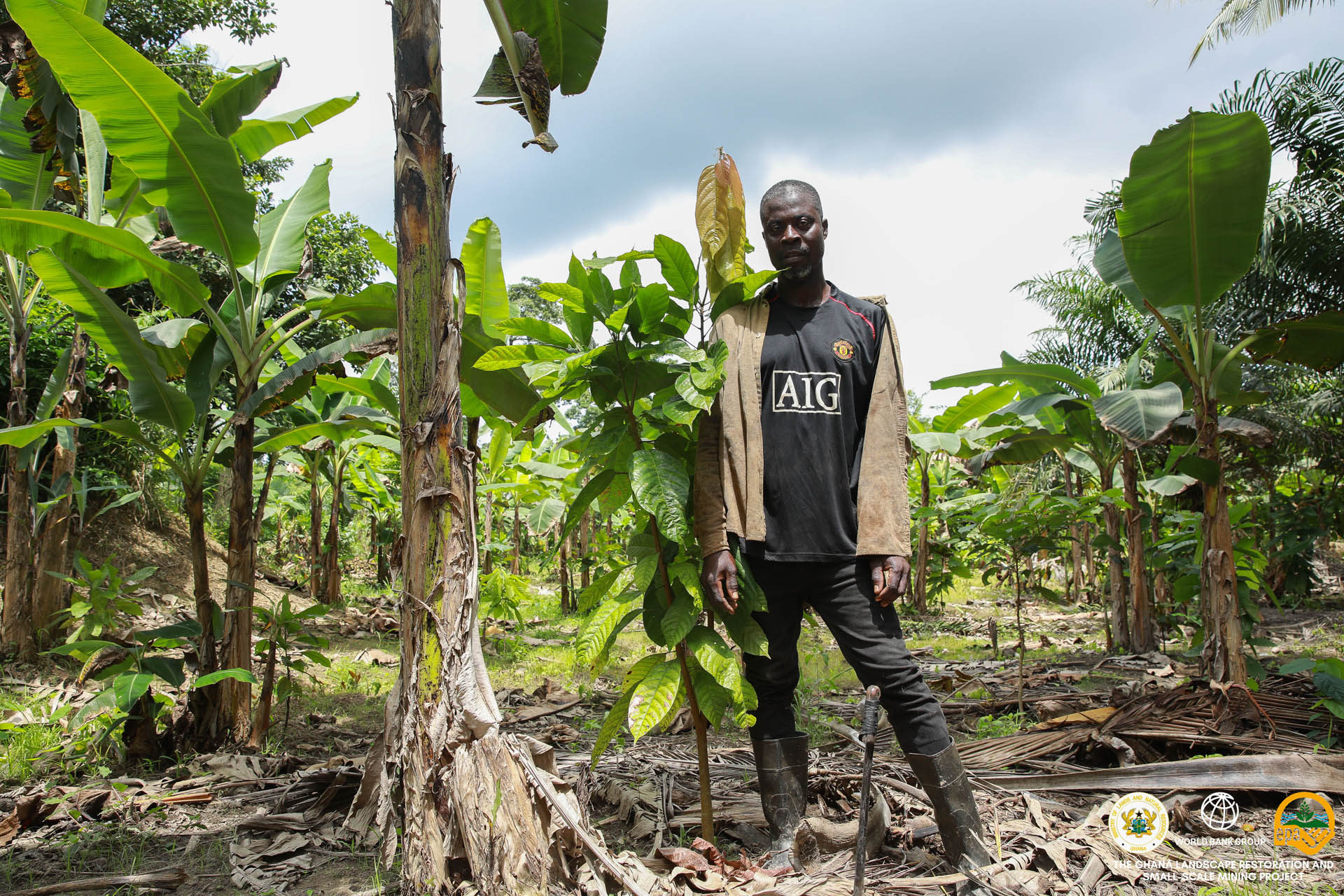
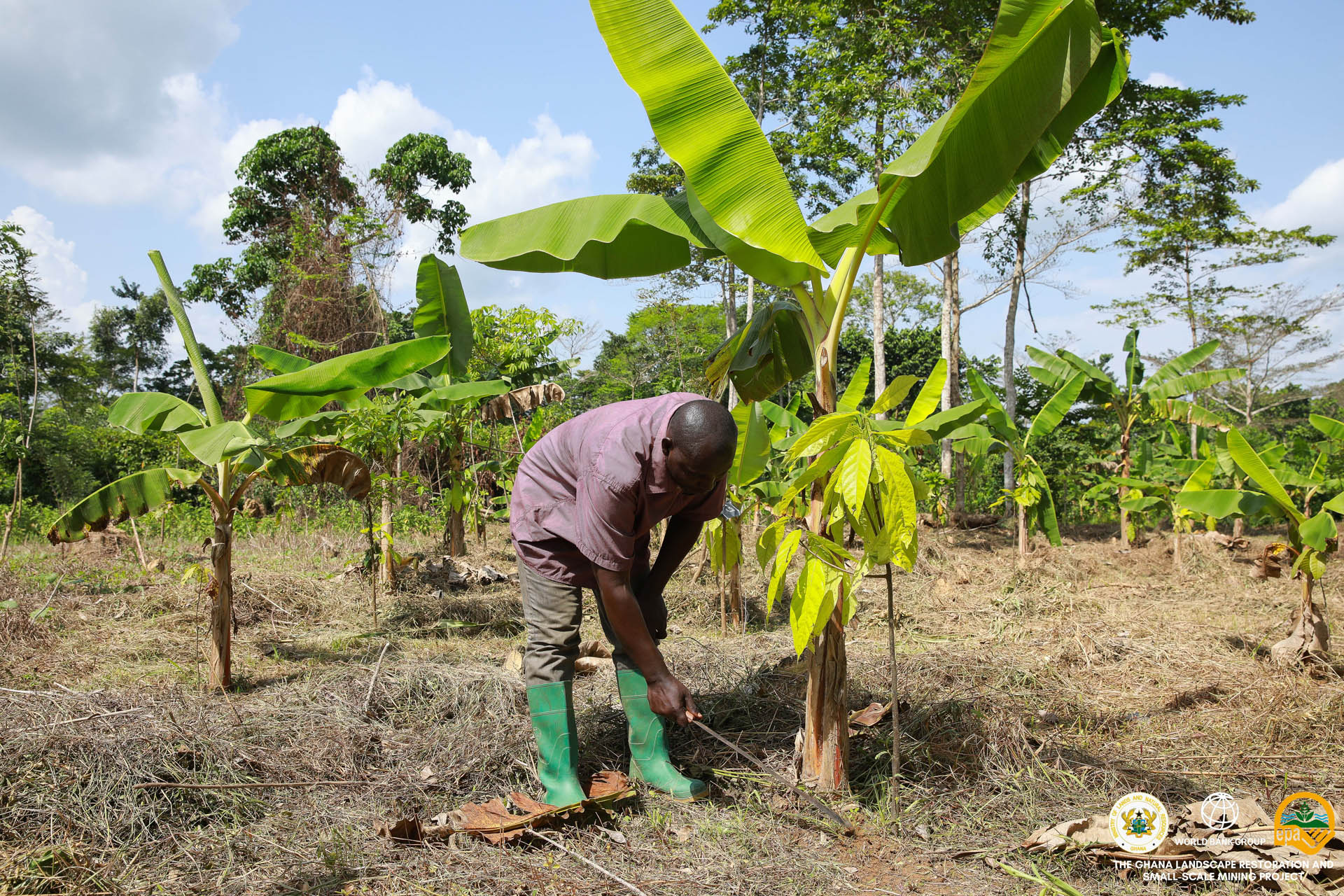
The rehabilitation process involves cutting down overaged, low-yielding cocoa trees and replacing them with high-quality hybrid cocoa seedlings. Plantain and cocoyam suckers are also intercropped with the young cocoa plants to provide essential shade and supplementary income for farmers during the establishment period. As part of our initiative to promote climate-smart cocoa production, beneficiary farmers are supplied with shade trees including Emire, Mahogany, and Ofram to improve microclimatic conditions on their farms.
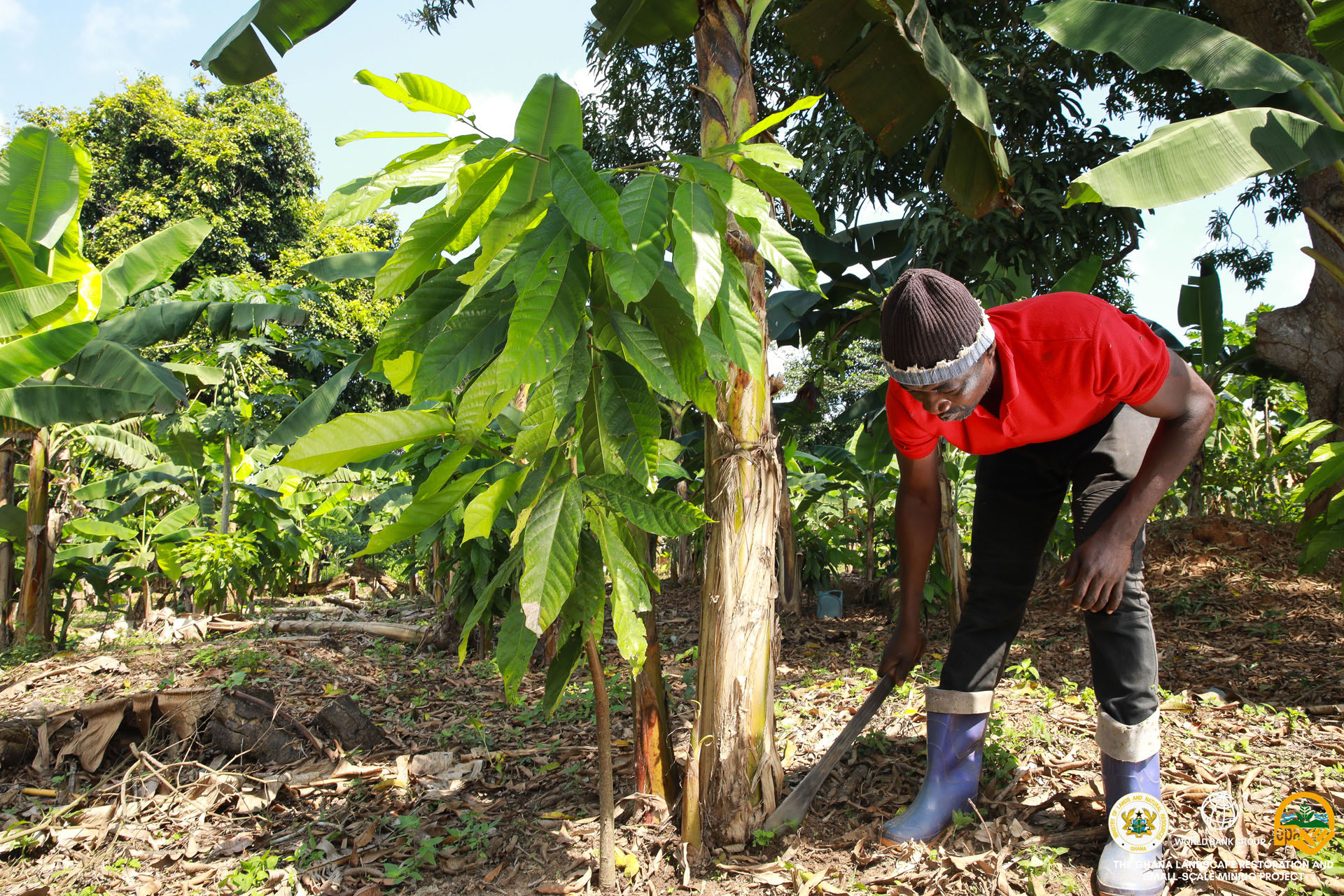
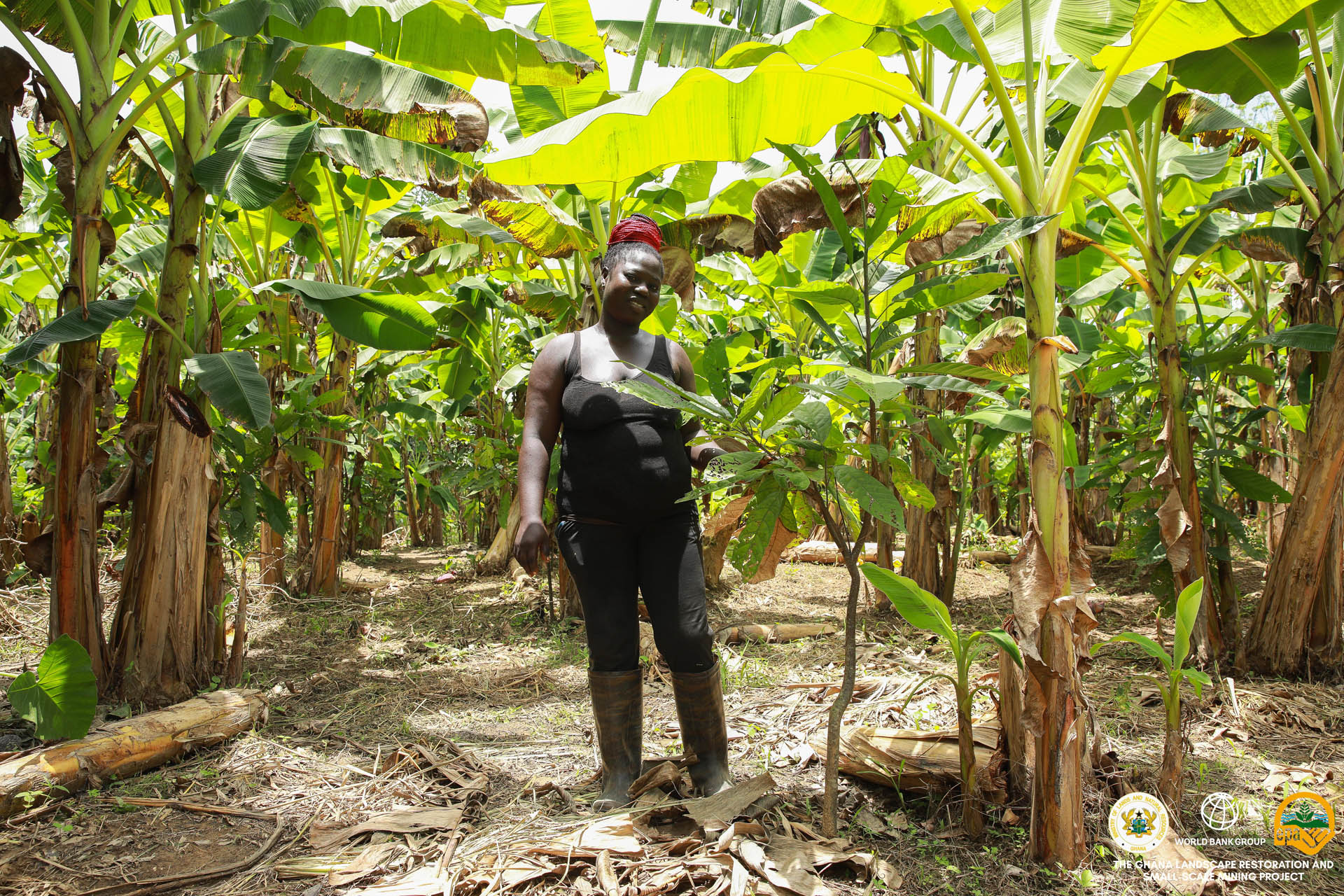
This transformative rehabilitation work has been successfully completed in 342 communities across six Cocoa Districts: Nkawkaw (Eastern Region), Juaso, New Edubiase, and Nyinahin (Ashanti Region), as well as Assin Fosu and Twifo Praso (Central Region). Beneficiary communities included New Jejeti, Botrampa, Ataase Nkwanta, Kwabeng, Kwakwaduam, Sitey, Osubeng, and Ntawadua among others.
By rejuvenating these cocoa farms, COCOBOD is helping to secure Ghana's position in the global cocoa industry, improve farmer livelihoods, and promote sustainable agricultural practices that benefit both local communities and the environment. The project through Cocobod has successfully replanted and established 1298.92ha benefitting 1676 farmers.